

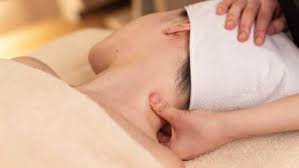
In recent years, the wellness landscape in South Korea has been evolving beyond traditional spa treatments. Korean millennials and young professionals are no longer satisfied with single-method therapies; instead, they are seeking immersive experiences that heal both body and mind at the same time. One of the most notable developments in this space is the rise of combined Swedish massage and sound healing sessions—a new wellness trend that blends physical relaxation with sensory and emotional balance.
This innovative pairing reflects a broader cultural shift toward holistic well-being, where stress relief, mental clarity, and emotional calm are treated as equally important as physical comfort.visit for more details 스웨디시
The Rise of Multi-Sensory Wellness
Modern Korean lifestyles are fast, demanding, and digitally intense. Long work hours, constant screen exposure, and social pressure have created widespread fatigue and emotional overload. As a result, wellness consumers are now looking for treatments that go deeper than surface-level relaxation.
Combining Swedish massage with sound healing creates a multi-sensory experience. While massage works directly on muscles and circulation, sound healing targets the nervous system and emotional state. Together, they offer a more complete reset than either therapy alone.
Why Swedish Massage Is the Perfect Foundation
Swedish massage is known for its gentle, flowing techniques that relax muscles, increase blood flow, and calm the body. Unlike intense or pain-focused massage styles, it emphasizes comfort and rhythm. This makes it an ideal base for integration with sound healing, as the body remains open and receptive rather than tense or defensive.
During a Swedish massage session, breathing naturally slows down, muscles soften, and mental chatter begins to fade. This relaxed physical state allows sound vibrations to be felt more deeply, enhancing the overall therapeutic effect.
What Sound Healing Adds to the Experience
Sound healing focuses on using vibrations, tones, and rhythmic frequencies to promote mental and emotional balance. In combined sessions, these sounds are often played softly in the background or incorporated intentionally at specific moments during the massage.
As the body relaxes under the therapist’s hands, sound waves help guide the mind into a meditative state. Many clients describe feeling mentally “lighter,” emotionally calmer, and more grounded afterward. The sounds create a sense of inner stillness that complements the physical release achieved through massage.
A Natural Fit for Stress-Driven Lifestyles
One reason this wellness combo is gaining popularity in Korea is its effectiveness for stress management. Swedish massage eases physical tension caused by desk work, poor posture, and daily strain. Sound healing, on the other hand, helps quiet racing thoughts and emotional fatigue.
Together, they address the two most common modern problems at once: physical exhaustion and mental overload. For busy professionals and creatives, this dual benefit is especially appealing.
Mental Health and Emotional Awareness
Younger generations in Korea are increasingly open about mental health. Anxiety, burnout, and emotional exhaustion are no longer taboo topics. Wellness is now seen as proactive care rather than a response to breakdown.
Swedish massage and sound healing together support this mindset. The physical touch of massage provides comfort and safety, while sound healing encourages emotional release and mindfulness. Many people find that this combination helps them reconnect with their body, something often lost in high-pressure urban living.
The Appeal of Calm, Private Environments
Another factor driving this trend is the environment in which these sessions take place. Combined massage and sound healing treatments are usually offered in quiet, softly lit rooms designed to minimize distractions. This privacy is highly valued in Korean wellness culture today.
Clients can disconnect from phones, notifications, and work demands, allowing themselves to fully relax. For people who are constantly connected online, this kind of intentional disconnection has become a form of luxury.
Global Influence Meets Local Sensitivity
Korean wellness trends often blend global ideas with local preferences, and this combination is no exception. Swedish massage brings an international, modern image, while sound healing aligns well with Korea’s growing interest in mindfulness, meditation, and emotional well-being.
The result is a wellness experience that feels both sophisticated and emotionally intuitive. It appeals to individuals who want something modern but meaningful, not overly clinical or traditional.
Prevention Over Recovery
A major reason for the popularity of this wellness combo is the shift toward preventive care. Instead of waiting until pain or burnout becomes severe, many Koreans now use massage and sound-based relaxation as regular maintenance for their well-being.
Swedish massage keeps muscles flexible and circulation healthy, while sound healing helps manage stress before it builds up. Together, they support long-term balance rather than short-term relief.
A New Direction for Korean Spas
As demand grows, more wellness spaces in Korea are experimenting with integrated treatments. Rather than offering massage and meditation separately, they are designing experiences where touch, sound, breathing, and atmosphere work together seamlessly.
This reflects a new understanding of wellness—not as isolated techniques, but as a connected experience involving body, mind, and environment.
Conclusion
The combination of Swedish massage and sound healing represents the next stage of wellness culture in Korea. It responds to modern stress, emotional awareness, and the desire for deeper relaxation. By blending physical comfort with sensory calm, this new wellness approach offers more than relaxation—it offers restoration.
As Korean wellness culture continues to evolve, treatments that integrate multiple healing elements are likely to define the future. Swedish massage and sound healing together show how balance, mindfulness, and physical care can exist in one harmonious experience.