

Process Foundations and Role in Industrial Forming with ASTM International
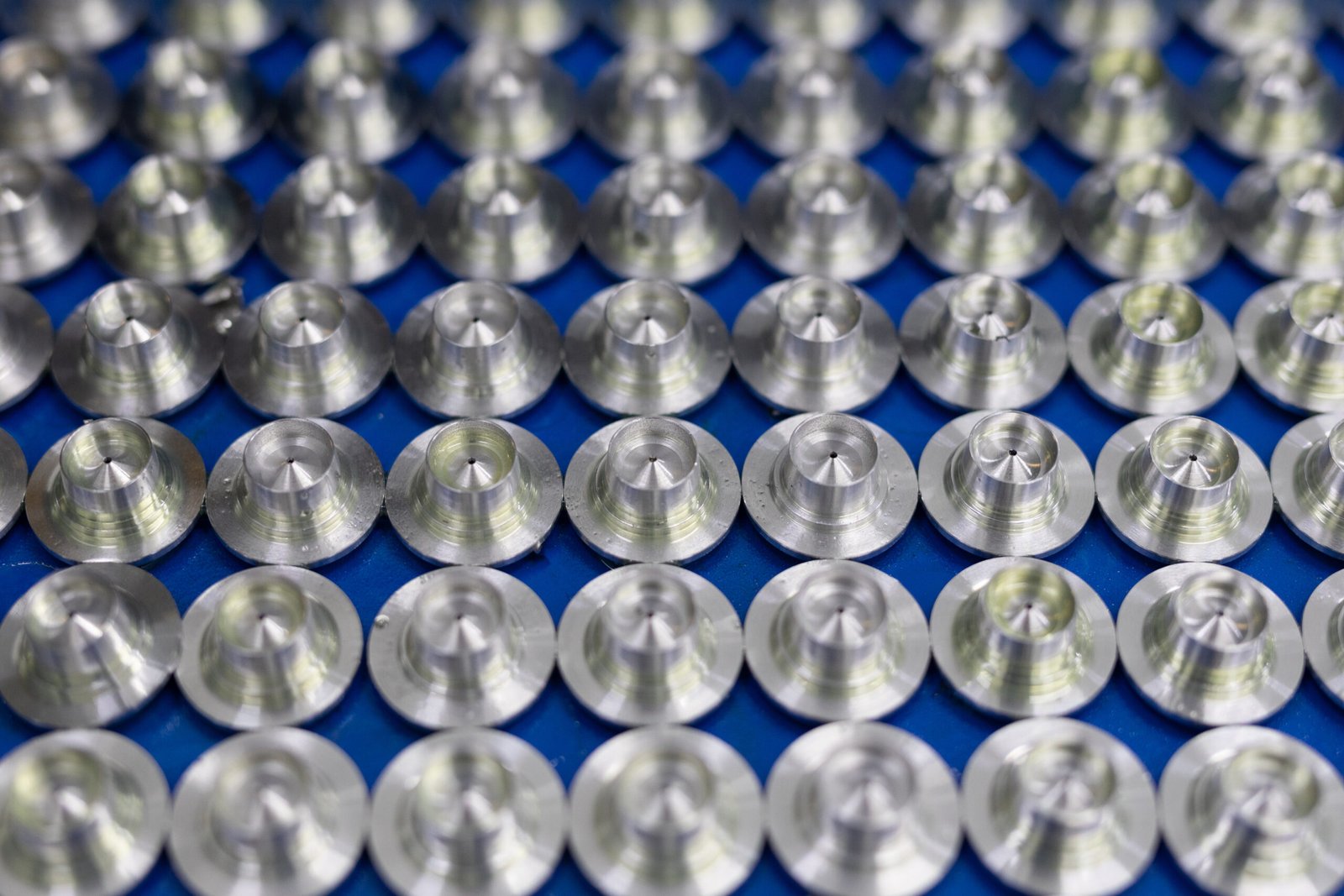
Jiangzhi compression molding is a specialized adaptation of traditional compression molding techniques used to shape polymers and composite materials through heat and pressure. At its core, the method relies on placing a measured amount of material into a heated mold cavity and applying controlled force until the material conforms to the tool geometry. The process has become increasingly relevant as industries seek consistent dimensional accuracy while maintaining material integrity. Standards organizations such as ASTM International provide testing frameworks that help manufacturers evaluate mechanical performance, thermal resistance, and durability of molded components.
Unlike more material intensive forming methods, compression molding emphasizes efficient material flow and minimal waste. This characteristic makes it suitable for high performance applications where consistency and structural reliability are critical. Over time, process refinements have improved cycle control, allowing tighter tolerances and repeatable outcomes across production runs. The method also accommodates a wide range of thermoset and thermoplastic compounds, enabling engineers to tailor properties such as rigidity, impact resistance, and heat stability. As industries continue to prioritize sustainability and precision, the technique remains a central pillar of modern polymer processing strategies.
Historical Development and Global Manufacturing Context with International Organization for Standardization
The evolution of compression molding traces back to early industrial polymer production, but modern iterations like Jiangzhi compression molding reflect advances in automation, materials science, and process monitoring. Historically, compression molding was favored for rubber and early thermoset resins due to its simplicity and reliability. As manufacturing expanded globally, the need for standardized quality systems grew, leading to frameworks such as ISO certifications that guide process validation and documentation.
Globalization has encouraged knowledge exchange between research institutions and manufacturing hubs, accelerating innovation in tooling design and material formulations. Modern facilities often integrate digital monitoring to track temperature gradients, pressure curves, and curing profiles in real time. This data driven approach reduces variability and supports predictive maintenance. The result is a manufacturing environment where traditional forming principles coexist with advanced analytics, ensuring that molded components meet increasingly demanding engineering specifications.
Material Science Considerations with BASF SE and DuPont
Material selection plays a defining role in the success of any compression molding process. Suppliers such as BASF SE and DuPont have developed specialized resin systems designed to perform reliably under compression molding conditions. These materials often include reinforced polymers, filled compounds, and high temperature resins engineered to maintain structural properties during curing cycles.
In Jiangzhi compression molding, understanding rheology and cure kinetics is essential. The material must flow sufficiently to fill the mold while avoiding excessive flash or internal voids. Additives such as stabilizers, fibers, and fillers can enhance performance but also influence processing parameters. Engineers must balance these variables to achieve the desired mechanical profile. Careful material characterization, including thermal analysis and viscosity measurement, helps ensure predictable results. As new formulations emerge, the range of achievable properties continues to expand, opening opportunities in sectors that demand both strength and lightweight construction.
Tooling Design and Thermal Management
Tooling is the physical interface between material and final geometry, making its design a critical factor in process efficiency. High precision molds are typically constructed from hardened steel or specialized alloys capable of withstanding repeated thermal cycles. Surface finishes influence part release and surface quality, while venting systems allow trapped gases to escape during compression.
Thermal management is equally important. Uniform heating across the mold ensures consistent curing and reduces internal stresses within the part. Modern systems often employ integrated sensors that monitor temperature distribution, allowing operators to adjust parameters dynamically. Cooling channels can also be incorporated to control cycle times and maintain dimensional stability. Through careful design and maintenance, tooling becomes a long term asset that supports both productivity and quality assurance.
Process Parameters and Production Efficiency
The effectiveness of Jiangzhi compression molding depends on the precise control of several interrelated parameters. Temperature determines material flow and curing behavior, while pressure influences density and surface replication. Time governs the extent of crosslinking or solidification, directly affecting mechanical performance.
Optimizing these variables requires a systematic approach. Engineers typically conduct process trials to map the relationship between settings and part characteristics. Statistical process control methods help identify trends and maintain consistency over large production volumes. Automation further enhances efficiency by reducing manual intervention and ensuring repeatable cycles. As digital manufacturing technologies evolve, real time feedback loops are becoming more common, enabling adaptive control strategies that respond to subtle process variations.
Applications Across Automotive, Electrical, and Consumer Products
Compression molded components appear in a wide range of industries due to their strength and reliability. In automotive manufacturing, the process is used to produce structural panels, under hood components, and insulation parts that must withstand high temperatures and mechanical loads. Electrical and electronics sectors rely on molded housings and insulating components that require precise dimensions and dielectric stability.
Consumer products also benefit from the technique, particularly when durability and surface finish are important. Items such as appliance parts, sporting goods, and industrial enclosures often leverage compression molding to achieve consistent quality. The adaptability of the process allows manufacturers to tailor production volumes, making it suitable for both specialized components and larger scale manufacturing programs.
Environmental and Sustainability Perspectives
Sustainability considerations are increasingly shaping manufacturing decisions. Compression molding inherently produces less scrap compared to some other forming methods, since material is measured before each cycle. This efficiency contributes to reduced resource consumption and lower waste generation.
Additionally, many modern resin systems incorporate recycled or bio based content, aligning with broader environmental goals. Energy efficiency improvements in heating systems and press designs further reduce the environmental footprint of production facilities. Lifecycle assessments often show that durable molded components can extend product lifespan, indirectly reducing overall material demand. As regulatory frameworks and consumer expectations evolve, sustainable processing practices will likely continue to influence process development.
Quality Assurance and Testing Protocols
Ensuring the reliability of molded components requires rigorous testing and inspection. Mechanical testing evaluates tensile strength, impact resistance, and fatigue behavior, while thermal analysis assesses performance under varying temperature conditions. Dimensional inspection verifies that parts meet design tolerances, which is particularly important for components that must integrate with other assemblies.
Non destructive evaluation methods such as ultrasonic inspection or imaging techniques can detect internal defects without compromising the part. Documentation and traceability systems help manufacturers maintain compliance with industry standards and customer requirements. Continuous improvement initiatives often rely on feedback from these testing processes to refine materials, tooling, and process settings.
Future Outlook and Technological Integration
The future of compression molding is closely tied to advances in digital manufacturing and materials innovation. Smart factories are beginning to integrate sensors, machine learning algorithms, and predictive analytics to optimize production in real time. These technologies can identify subtle process deviations and recommend adjustments before defects occur.
At the same time, research into advanced composites and high performance polymers is expanding the range of possible applications. Lightweight structures for transportation, durable components for renewable energy systems, and specialized industrial parts are all areas where compression molding techniques continue to evolve. As collaboration between material scientists, engineers, and manufacturers grows, the process is poised to remain a cornerstone of efficient and reliable polymer forming.
Conclusion
Jiangzhi compression molding represents a refined approach within the broader family of compression molding technologies. By combining controlled heat, pressure, and material science expertise, the process delivers components with consistent quality and performance. Its adaptability across industries, alignment with sustainability goals, and compatibility with emerging digital tools highlight its ongoing relevance in modern manufacturing.
As research continues to push the boundaries of material capabilities and process control, the technique will likely play an even greater role in producing durable, high precision parts. Understanding its principles and applications provides valuable insight into how contemporary manufacturing balances efficiency, innovation, and reliability in an ever evolving industrial landscape.