

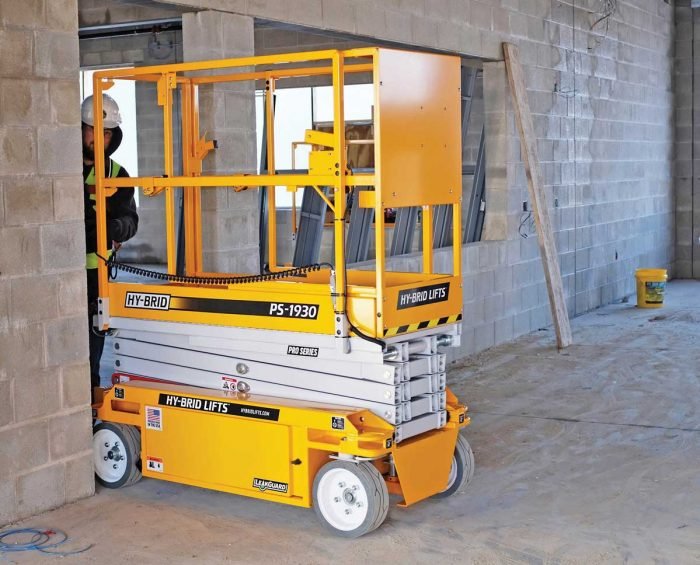
Working at height is a common requirement in industries such as warehousing, retail, construction, and manufacturing. However, doing so brings a range of safety challenges. To improve workplace conditions and reduce risks, companies rely on tools like the 升降台. A well-designed lifting platform not only enhances safety but also improves accessibility, efficiency, and ergonomic performance in elevated work zones.
This article explores how lifting platforms transform the way teams access high areas and why they have become essential for modern operations.
1. Safe Access to Elevated Work Areas
Traditional methods like ladders and scaffolding do not provide stable ground for workers. Lifting platforms, on the other hand, offer:
- A secure standing surface
- Guardrails and safety restraints
- Space for tools and materials
With a 升降台, workers can focus on the task without maintaining balance constantly, greatly reducing fall-related risks.
2. Better Ergonomics and Reduced Fatigue
Working above shoulder height for extended periods leads to fatigue and injuries. Lifting platforms elevate workers to the appropriate height, supporting:
- Proper posture
- Reduced strain on the back and shoulders
- Less repetitive stretching or reaching
This leads to higher productivity and fewer workplace injuries.
3. Improved Access to Narrow or Hard-to-Reach Areas
Many facilities have limited space—tight aisles, high shelves, or small service areas. Certain types of lifting platforms such as mast lifts or compact scissor lifts are designed for narrow spaces. A mobile 升降台 can be maneuvered easily to give workers comfortable access without rearranging entire production lines or storage setups.
4. Enhanced Mobility and Flexibility
Operations change frequently in modern workplaces. Tasks often require workers to move from one elevated area to another quickly. Lifting platforms support dynamic workflows with:
- Simple controls for height adjustment
- Smooth movement across floors
- Indoor and outdoor compatibility
This adaptability ensures continuous operations without delays.
5. Support for Workers With Physical Limitations
Accessibility is a core need in every workplace. Lifting platforms enable employees who may struggle with stairs or ladders to perform tasks safely and independently, helping businesses maintain inclusivity and comply with labor standards.
6. Increased Efficiency in Material Handling
Workers can bring tools, equipment, and products up with them instead of making repeated trips. This helps:
- Reduce downtime
- Speed up project completion
- Improve accuracy in technical work
For example, maintenance and installation jobs become faster and safer when tools are within arm’s reach at all times.
Conclusion
Lifting platforms play a vital role in improving accessibility to elevated work areas. By enhancing safety, ergonomics, and operational efficiency, a 升降台 helps organizations protect their workforce and optimize performance. Whether in warehouses, factories, or construction sites, investing in the right lifting platform ensures a safer and more productive working environment for everyone.